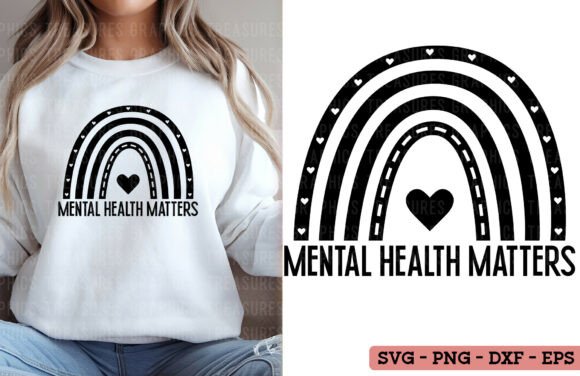
Mental Health Matters Retro Quote: A Designer's Eye on Stitching Positivity
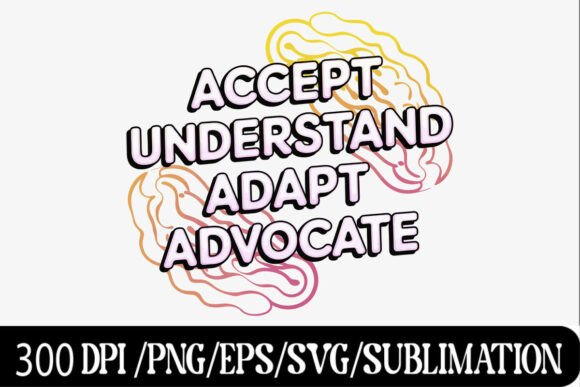
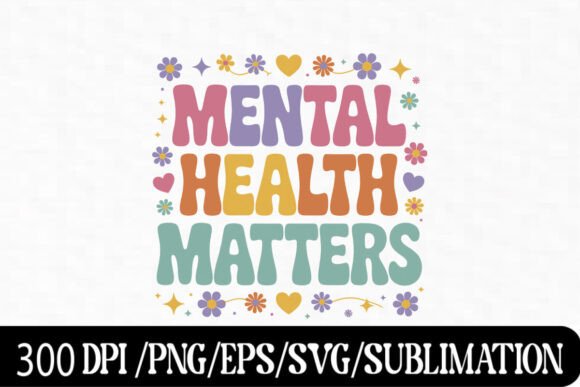
When a design collection lands on my desk for review, I’m not just looking at the pixels. I’m thinking about the thread, the fabric, and the person who will eventually wear or hold the finished piece. With the Mental Health Matters Retro Quote graphics, my first impression is one of joyful, purposeful nostalgia. The mood is instantly uplifting—a vibrant effusion of groovy, bold quotes wrapped in retro-themed graphics. It feels like a sunbeam from a more optimistic era, but with a message that speaks directly to our present moment. The visual personality is love-filled and unapologetically positive. For an embroidery designer, that tells me this isn’t just a decorative motif; it’s a statement piece.
Where This Design Naturally Finds Its Home
The immediate question for any embroidery file is: what does it want to be? For Mental Health Matters Retro Quote, I see it belonging to projects where the message is as important as the craftsmanship. Imagine a custom embroidered tote bag for a friend who’s navigating a tough time—the retro graphics and bold quotes wouldn’t just decorate the bag; they’d offer a quiet, public affirmation every time she carries it. I’d lean towards using these graphics on substantial fabrics: a cozy sweatshirt, a sturdy apron, a well-made pillow cover. The richness of the design details suggests it would shine on products that have a bit of presence, where the embroidery can be a focal point.
For small business owners and Etsy sellers, this collection offers ready-made empathy. A handmade shop could easily build a line around it—think embroidered tea towels for a kitchen, patches for a denim jacket, or even nursery decor that subtly reinforces a caring environment. The theme lends itself perfectly to personalized gifts, holiday gifts, or boutique products aimed at customers who value both style and substance. In a craft fair setting, a booth with items featuring this design would stand out not just for its visual appeal, but for the genuine conversation it could start.
The Practical Stitch: How It Performs on Real Products
Moving from concept to hoop, I consider how these graphics would translate into actual stitches. The retro theme likely means curves, bold shapes, and possibly intricate lettering. On a sweatshirt or a tote bag, with proper stabilizer and thoughtful thread color selection, I expect it would stitch out with lovely clarity. The bold elements should satin stitch or fill stitch beautifully, creating a tactile, premium feel that boosts product value and customer trust. On a dark fabric background, careful planning for contrast is key—a test on scrap fabric with your chosen thread palette is absolutely essential here.
However, the “richly adorned” description hints at detail. This is where an embroidery designer’s practical judgment comes in. For projects on thinner or stretchy fabrics, like certain t-shirts, or on curved surfaces like caps, you’d need to review stitch density and potentially simplify or resize certain elements. Tiny, dense decorative accents might become muddy or cause puckering. Layered garments also demand a careful approach. The design’s strength—its vibrant complexity—could be a weakness if applied without forethought to the substrate.
Caution Zones: Where to Apply Careful Consideration
My advice for fellow makers is to think small before thinking big. If you’re working with a small hoop size, inspect the small details in the digital embroidery file first. Will those groovy quotes remain legible when reduced? Running stitch details might get lost. For textured fabrics, like some blankets, the bold graphics should work well, but again, a test run is your best friend. I’d also be mindful using it on products destined for frequent washing, like baby clothes or kitchen towels. Ensuring the stitch structure is robust enough to handle that wear is part of delivering a professional, lasting handmade product.
For commercial embroidery projects or for sellers offering digital product previews and printable mockups, clarity in presentation is crucial. Showing the design on both light and dark fabric mockups can help your buyers visualize the final product and build engagement. The design assets here seem crafted for recognition, which is great for brand consistency if a small shop adopts one of the graphics as a signature element.
Designer Notes for Your Workbench
Before you commit this design to a client project or your next craft business item, run through this quick list. Test the Mental Health Matters Retro Quote design on your actual scrap fabric, not just in software. Check thread color contrast against your final product’s fabric. Review the stitch density in your editing software—does it look appropriate for your chosen hoop size and item? Inspect the small details, especially in the lettering, to ensure they’ll survive the translation to thread.
It’s also wise to test it in simple black and white mockups to judge its form independently of color. Confirm the licensing terms for the graphics before selling finished items or digital products. Since the product type is listed as Graphics and the category is T-Shirt Designs, it’s clearly intended for apparel decoration, but always verify whether the license covers personal and commercial projects. Use proper stabilizer for your specific fabric texture to maintain that clean, handmade presentation. Ultimately, this collection has the potential to create deeply giftable, engaging pieces. Its visual appeal, when stitched with care, can turn a simple embroidered patch or custom apparel into something that feels meaningful—and that’s the best kind of product to make.