Reviewing Cute Frog with Rainbow SVG for Client Graphics & T-Shirt Designs
First Impression: A Playful Handcrafted Mood
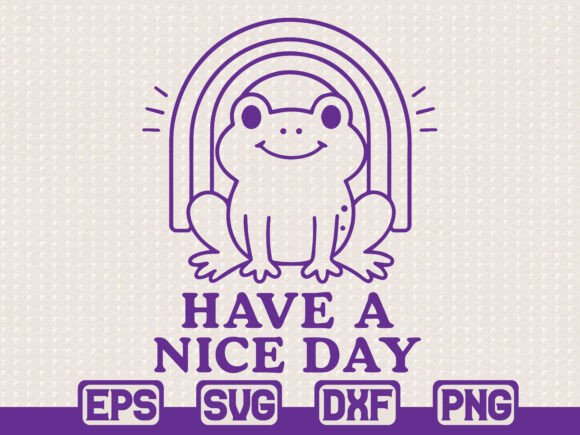
When a new design asset lands on my desk, the first thing I assess is the mood it creates. Cute Frog with Rainbow SVG immediately establishes a lighthearted, whimsical, and optimistic tone. The illustration style leans into a friendly, hand-drawn aesthetic that feels approachable and crafted. This isn’t a slick, corporate vector; it’s a graphic design asset that carries a sense of warmth and personality. For a designer considering a client project—perhaps a boutique children’s brand, a local eco-friendly café, or a handmade Etsy shop selling artisanal goods—this asset offers a visual starting point that is inherently cheerful and engaging.
The Style & Fit for Real Client Projects
The style represented here is key. It’s a modern design with a nod to classic illustration, avoiding overly complex details. This makes Cute Frog with Rainbow SVG a versatile candidate for projects requiring an emotional appeal. I’d naturally consider it for branding elements for a small business focused on nature, creativity, or positivity. It could anchor a seasonal campaign for a summer festival or support a product launch for a line of organic skincare with playful packaging. The high-quality nature of this bundle, crafted for platforms like Merch by Amazon and Redbubble, signals its readiness for commercial use, but its application stretches far beyond just t-shirt design.
Performance in Real Design Situations
Let’s move from first impressions to practical application. How does this asset perform when placed into real-world layouts?
Strong Applications: Where It Shines
For a client needing to convey joy and creativity, Cute Frog with Rainbow SVG excels in several areas. As a hero graphic on a website for a kids’ activity center or a featured illustration on a poster for a community garden event, it commands attention in large layout areas. Its clear, simple forms make it excellent for product mockups, especially when applied to merchandise like tote bags, mugs, or stickers—the core of many print-on-demand businesses. It works beautifully as a decorative accent in editorial design for a blog about crafting or sustainability, or as a central element in social media graphics for Instagram posts and Pinterest pins aiming for high engagement. In packaging design for a small, handmade brand, this asset could serve as a charming label detail that builds visual trust and recognition through its consistent, friendly character.
Careful Considerations: Where to Apply Caution
Every asset has its limits. The illustrative nature of Cute Frog with Rainbow SVG means it should be used carefully in contexts demanding very clean visual hierarchy. In crowded layouts with lots of text and multiple elements, it might compete rather than complement. At very small sizes—think a tiny logo on a business card—some of the finer rainbow details could become lost, reducing impact. It’s not inherently suited for minimalist branding or professional corporate materials where a more abstract or geometric style is expected. Placing it on complex backgrounds without ensuring proper contrast could also undermine its readability and the overall professionalism of the project.
Impact on Brand & Audience Perception
Beyond placement, a designer must consider how an asset like this influences the final project’s perception.
Integrating Cute Frog with Rainbow SVG into a brand identity system can significantly boost emotional appeal and audience engagement, particularly for demographics valuing authenticity and craft. It suggests a brand that is approachable, creative, and perhaps community-oriented. This can be powerful for marketing visuals targeting families, artists, or eco-conscious consumers. However, maintaining brand consistency requires thoughtful use. This asset should support, not dominate, the core brand message. Pairing it with a clean sans-serif font for body text, for example, can balance its playful energy with necessary readability, while a complementary script font might amplify the handmade business vibe.
Practical Designer Notes Before Client Use
Before committing this digital product to a client’s project, I run a series of standard checks. These are non-negotiable for professional work.
- Test Scalability: Preview the SVG file at both very large and very small scales. Does it hold its integrity? Vector editability is crucial for adjusting colors or simplifying elements if needed for a specific application like a logo design.
- Check Contrast & Adaptability: Place the design on both light and dark backgrounds. Does it remain clear? Test a black-and-white version to ensure it still communicates if color isn’t available, crucial for some print processes or branding guides.
- Verify File Formats & Quality: Inspect the provided PNG transparency if included for web design or digital ads. For print-focused projects like printable wall art or sublimation design, confirm the resolution and color separation is suitable.
- Mockup Integration: Always place the asset on real product mockups—a t-shirt, a mug, a packaging template. This reveals how it interacts with real-world shapes and materials.
- Confirm Licensing: The most critical step. Explicitly confirm the commercial license covers your intended use for the client’s business. Never assume.
Conclusion: A Versatile Asset for Themed Creative Projects
In final assessment, Cute Frog with Rainbow SVG emerges as a specialized but versatile graphic design asset. It won’t fit every project, but for the right client project—one rooted in themes of nature, joy, creativity, or community—it provides a polished, ready-to-use visual cornerstone. Its strength lies in its ability to improve the visual mood instantly, offering a cohesive element for themed collections, campaign visuals, or a suite of printable designs. For designers, brand owners, and content creators working in the creative marketplace, it’s a digital asset that can reduce production time while elevating the final result’s sense of crafted charm. Used judiciously, with the practical checks outlined, it can become a reliable part of a designer’s toolkit for building engaging, commercially-successful visual projects.